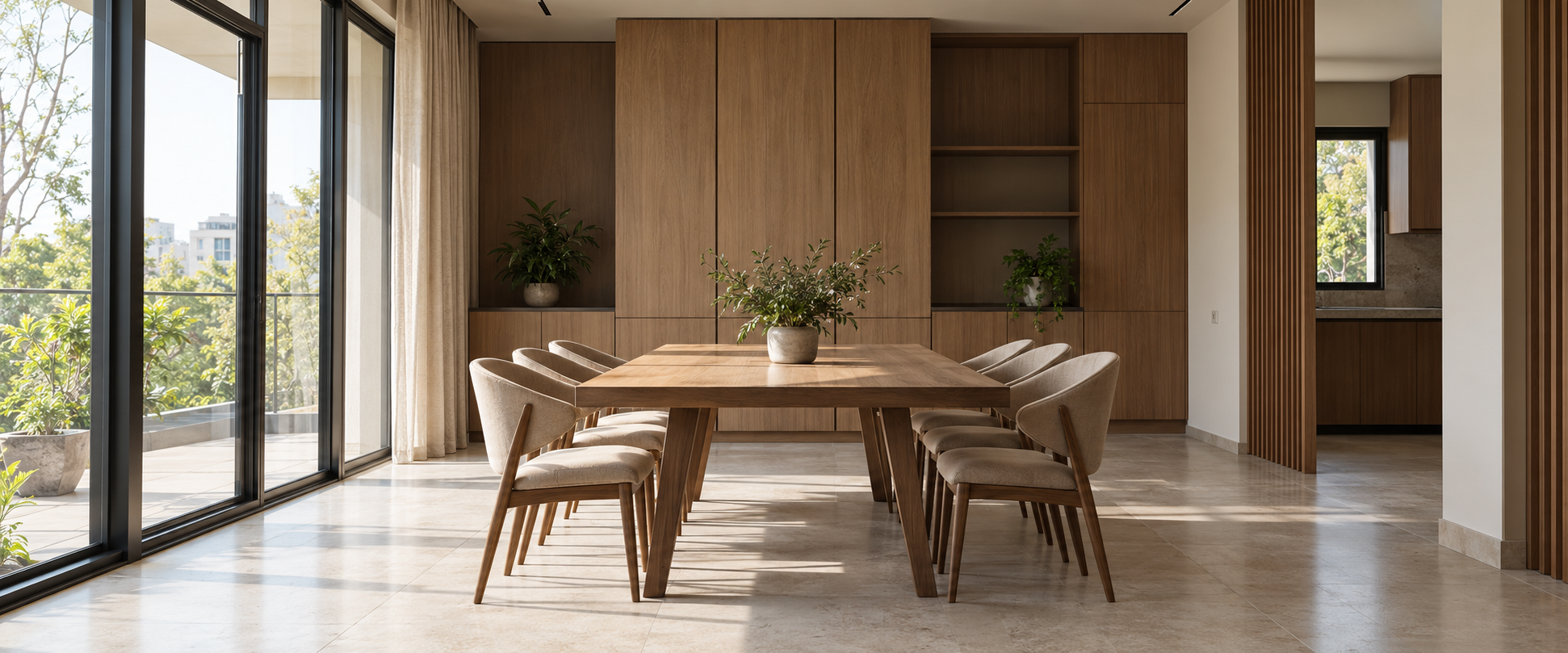
Home decoration is not just about buying beautiful furniture or following the latest trends. Good interior styling brings together colours, lighting, furniture, textures and useful accessories to make a home feel comfortable, attractive and personal. In 2026, homeowners are increasingly looking for designs that balance visual appeal with practical everyday living.
For Indian homes, this balance matters even more. A family may need additional storage, durable furniture, easy-to-clean surfaces and lighting that works for everything from daily routines to festivals and family gatherings. A decoration idea that looks impressive in a showroom may not be the right choice for a compact apartment or a busy household.
The good news is that you do not need to renovate every room to give your home a fresh appearance. Thoughtful colour combinations, well-positioned lighting, coordinated furniture and a few carefully chosen accessories can make a noticeable difference.
Here are five home interior decoration trends worth considering in 2026, along with practical ways to use them without wasting space or money.
Warm Colours and Natural Textures for a Comfortable Home
One of the most versatile approaches to home decoration is using warm, balanced colours instead of relying entirely on stark white or bold shades. Cream, beige, warm grey, muted green and earthy brown can create a calm foundation that works with different furniture styles.
These colours are particularly useful in Indian apartments, where the same room may serve as a family lounge, entertainment area and occasional workspace. A neutral base allows you to update the appearance later by changing cushions, curtains, rugs or artwork rather than replacing everything.
Natural-looking textures can make a simple colour scheme feel more interesting. Wood finishes, linen-style fabrics, textured wall paint and stone-inspired surfaces introduce depth without requiring too many decorative objects.
For example, consider a living room with warm off-white walls, a wooden TV unit, a comfortable grey sofa and olive-green cushions. The combination feels coordinated without making the room visually busy.
Here are a few practical ways to use this trend:
Use lighter colours on larger surfaces in compact rooms to maintain an open appearance.
Introduce darker shades through smaller elements such as cushions, lampshades or side tables.
Combine two or three complementary colours instead of introducing a different palette in every corner.
Choose textures that are easy to clean and suitable for your household's daily routine.
Test paint samples under daylight and artificial lighting before choosing the final shade.
Wood-look finishes can add warmth to wardrobes, cabinets and TV units, but the material should suit the intended use. Ask about moisture resistance, edge finishing and maintenance requirements before selecting a product.
Avoid assuming that every natural-looking material is automatically durable or sustainable. Performance depends on the actual material, its quality and how it is installed and maintained.
The goal is to create a consistent background that allows your furniture and personal belongings to stand out naturally.
Smart Storage and Multifunctional Furniture for Modern Homes
A beautifully decorated home can quickly feel uncomfortable when everyday items have no proper place. This is why smart storage remains an important part of practical home decoration, particularly in apartments where floor space is limited.
Instead of adding more cabinets wherever possible, begin by identifying what needs to be stored and how frequently you use it. Everyday items should remain accessible, while seasonal decorations, extra bedding and occasional-use appliances can be placed in less frequently accessed storage areas.
Furniture that serves more than one purpose can also help. A storage bed, a coffee table with concealed compartments or a compact entryway bench with shoe storage may reduce clutter without introducing additional furniture.
For a 3 BHK apartment, for example, the main bedroom might benefit from a wardrobe that extends close to the ceiling, while the guest bedroom could use a bed with storage and a compact desk. This approach gives each room a clear purpose without overcrowding it.
Consider these storage ideas:
Bedrooms: Use organised wardrobes, drawer dividers and under-bed storage for suitable items.
Living rooms: Choose TV units with concealed storage for cables, remotes and entertainment accessories.
Entryways: Add a compact shoe cabinet and a designated place for keys and daily essentials.
Kitchens: Use drawer organisers, pull-out baskets and accessible storage for frequently used utensils.
Work areas: Consider wall-mounted shelves or a foldable desk when floor space is limited.
Before buying furniture, measure the room and check how doors, drawers and walkways will function once everything is installed. A large storage unit may offer plenty of capacity but still be the wrong choice if it blocks natural movement.
Think vertically where appropriate. Wall-mounted shelves and taller cabinets can make use of available wall space, but avoid filling every wall with storage. Leaving some areas visually clear helps the room feel more balanced.
Storage should also match your actual lifestyle. If you rarely use decorative objects, there is little reason to install extensive display shelving that will need regular cleaning. If your family owns many books, games or hobby supplies, closed cabinets combined with a small open display area may work better.
The best home interiors are not necessarily those with the most furniture or accessories. They are the ones where each item has a purpose and the room remains easy to use.
Layered Lighting That Makes Every Room More Useful
Lighting can change how a room looks and feels without requiring a complete renovation. A single ceiling light may illuminate the room, but it often creates shadows and does not always provide the right atmosphere for reading, working or relaxing.
A more flexible approach is to combine different types of lighting according to the room's needs. General lighting provides overall visibility, task lighting supports specific activities, and accent lighting draws attention to selected features.
For instance, a bedroom may use ceiling lights for general illumination, bedside lamps for reading and subtle lighting around a dressing area. A kitchen may need general lighting alongside focused illumination over the countertop.
Popular lighting ideas worth considering in 2026 include:
Warm ambient lighting in bedrooms and relaxation areas.
Under-cabinet lights for kitchen preparation counters.
Wall lights beside mirrors, artwork or selected architectural features.
Pendant lights above a dining table when ceiling height and placement allow.
Dimmable fixtures in rooms where different activities require different brightness levels.
False ceilings can help accommodate selected lighting arrangements, but they are not essential for every home. In a low-ceiling apartment, an elaborate ceiling design may make the room feel smaller or reduce the usable ceiling height. Simple ceiling fixtures and carefully positioned wall lights may be more suitable.
Before installing new lights, consider the location of furniture, electrical points and the activities performed in each area. Lighting designed before furniture placement may end up highlighting an empty wall while leaving a useful work surface poorly illuminated.
Colour temperature also matters. Very cool lighting may feel too harsh in a relaxing bedroom, while lighting that is too warm may not be ideal for every detailed task. Choose fixtures according to the purpose of the space and compare their appearance in person where possible.
Safety should not be overlooked. Electrical installations, concealed wiring and fixtures in moisture-prone areas should be planned and installed by qualified professionals using suitable products.
A useful approach is to start with the lighting you genuinely need, then add decorative fixtures where they improve the room. This avoids spending money on features that look attractive in photographs but provide little practical benefit.
Personalised Furniture, Statement Pieces and Elegant Living Spaces
In 2026, a well-decorated home does not need to look like a furniture showroom. Personal details, comfortable seating and a thoughtful mix of materials can make a space feel more welcoming than a room filled with matching furniture sets.
Begin with the furniture you already own. If the sofa is comfortable and in good condition, changing the cushion covers, adding a coordinated rug or updating the curtains may refresh the room without requiring a replacement. Similarly, a wooden dining table can look more contemporary when paired with suitable chairs and simple lighting.
Choose one or two statement elements for each room rather than making every item compete for attention. This could be a distinctive mirror, a textured headboard, an interesting coffee table or a piece of artwork that reflects your taste.
For homeowners planning a luxurious living room, comfort and proportion are just as important as appearance. A well-sized sofa, balanced lighting, coordinated finishes and enough open floor space can create a refined look without filling the room with expensive accessories.
A few practical principles can help:
Measure the seating area before selecting a sofa or sectional.
Keep sufficient space for people to move comfortably between furniture.
Use curtains that suit the window size and the room's overall colour scheme.
Choose rugs according to the furniture arrangement and cleaning requirements.
Display personal photographs, artwork or meaningful objects selectively rather than covering every surface.
Furniture scale is particularly important in apartments. A large sectional may appear attractive in a spacious showroom but dominate a smaller living room. A compact sofa with an accent chair could provide more flexible seating while preserving movement.
Window treatments deserve attention, too. Curtains can soften a room and provide privacy, but the fabric should suit the amount of sunlight, ventilation and maintenance you require. In homes that receive strong afternoon sunlight, suitable lining or blinds may improve comfort.
When considering a new purchase, compare its dimensions, materials, comfort and maintenance needs rather than judging it by appearance alone. Check the quality of construction and ask about warranty terms where applicable.
Personalisation does not mean every room must have a different style. Repeating a few colours, wood tones or metal finishes across the home can create a cohesive appearance while allowing each room to retain its own character.
Low-Maintenance Materials and Sustainable Decoration Choices
A home should remain attractive after the excitement of a renovation has passed. That means selecting materials and decorative features that can handle everyday use, cleaning and the conditions inside your home.
For many Indian households, dust accumulation, cooking residue, humidity and frequent use can influence which finishes are practical. A beautiful surface that requires constant specialised care may not be the best option for a busy family.
When choosing furniture, flooring, wall finishes and cabinet materials, consider the following:
Durability: Ask how the material performs under normal household use.
Maintenance: Check the recommended cleaning method and whether specialised products are required.
Moisture resistance: Pay particular attention to kitchens, utility areas and other moisture-prone locations.
Repairability: Consider whether minor scratches or damaged components can be repaired or replaced.
Longevity: Choose timeless, adaptable pieces for expensive items that you do not plan to replace frequently.
Sustainability can also begin with simple decisions. Keeping furniture that remains useful, repairing items where practical, choosing durable products and avoiding unnecessary purchases can reduce waste over time.
Energy-efficient lighting is another useful consideration. Selecting suitable LED fixtures can help reduce electricity consumption compared with many traditional lighting options, although actual savings depend on wattage, usage hours and the fixtures being replaced.
You do not need to replace every finish to make a home look more current. Sometimes, repainting a wall, changing cabinet handles, improving lighting or rearranging furniture provides enough of a visual update.
A practical way to manage a decoration budget is to divide the work into priorities:
Essential improvements: Repair damaged surfaces, improve lighting and address storage problems.
High-impact updates: Refresh paint, curtains, selected furniture or the main living area's arrangement.
Optional decoration: Add artwork, decorative lighting or accessories after the essential work is complete.
This approach helps prevent the budget from being consumed by decorative purchases before important functional needs are addressed.
If you are working with an interior designer, request a clear quotation that explains material specifications, labour, installation, exclusions and applicable warranty terms. Comparing complete scopes is more useful than choosing a contractor based only on the lowest quoted amount.
For homeowners exploring the best home interiors for apartments in Greater Noida West or Noida Extension, practical planning can be especially valuable when balancing storage, furniture size and everyday maintenance. A design should reflect the household's real needs rather than simply reproduce a photograph from a magazine or social media.
Ultimately, the most worthwhile decoration trends are those that improve the way you live. Warm colours, useful storage, thoughtful lighting, personal furniture choices and durable materials can work together to create a home that feels modern without becoming difficult to maintain.
Frequently Asked Questions
1. What are the most popular home interior decoration trends in 2026?
Practical trends include warm neutral colours, natural-looking textures, smart storage, multifunctional furniture, layered lighting and personalised decorative details. The right combination depends on your home's size, budget and daily routine. Choose trends that improve comfort and functionality instead of following every new style.
2. How can I improve my home's interior styling on a limited budget?
Start by rearranging existing furniture, decluttering surfaces and improving lighting. Refreshing curtains, cushion covers, cabinet handles or one feature wall can also make a difference. Prioritise changes that solve an actual problem before spending money on decorative accessories.
3. How do I make a small Indian apartment look more spacious?
Use appropriately sized furniture, keep walkways clear and choose a coordinated colour palette. Wall-mounted storage, multifunctional furniture and well-planned lighting can help reduce clutter. Avoid oversized decorative pieces and measure furniture carefully before purchasing it.